
The Modeling Agricultural Risk and Resilience Working Group pursues sustainability and agricultural questions throughout the U.S. Midwest and Nigeria
From modeling satellite imagery of the U.S. Corn Belt to developing soil productivity indices in Nigeria, the Sustainability Institute’s Modeling Agricultural Risk and Resilience Working Group aims to answer pressing questions on farming, sustainability, and its often surprising impacts.
Led by Rice University’s Frederi Viens, the working group applies statistical, hydrological, climatological, and biogeochemical methods to explore different research topics across the globe, including increasing U.S. farming productivity through agricultural drainage tile installation and studying the relationship between climate variability, agriculture, and armed conflict in Nigeria.
Viens said his working group and collaborators are producing valuable results, especially with their research in conflict-prone areas of northeastern Nigeria.
“We’re doing novel scholarship in this region,” Viens said. “We’re working with farmers and nomadic herders, and it can be very dangerous, but we’re doing this because the people that we’ve assembled know how to speak with rural residents and manage risks.”
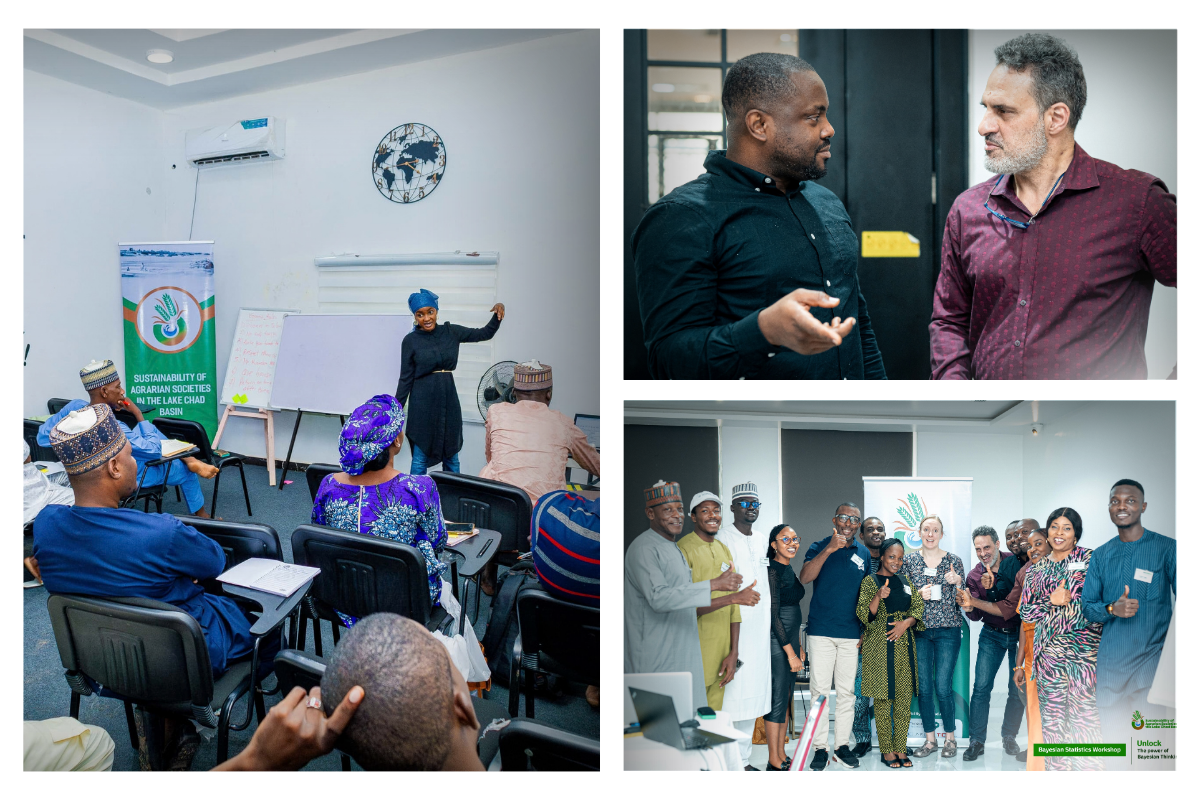
Viens is a Professor of Statistics at Rice University. He pursues collaborative projects in climate science, agro-ecology, agricultural economics, development economics, nuclear physics, and human health management.
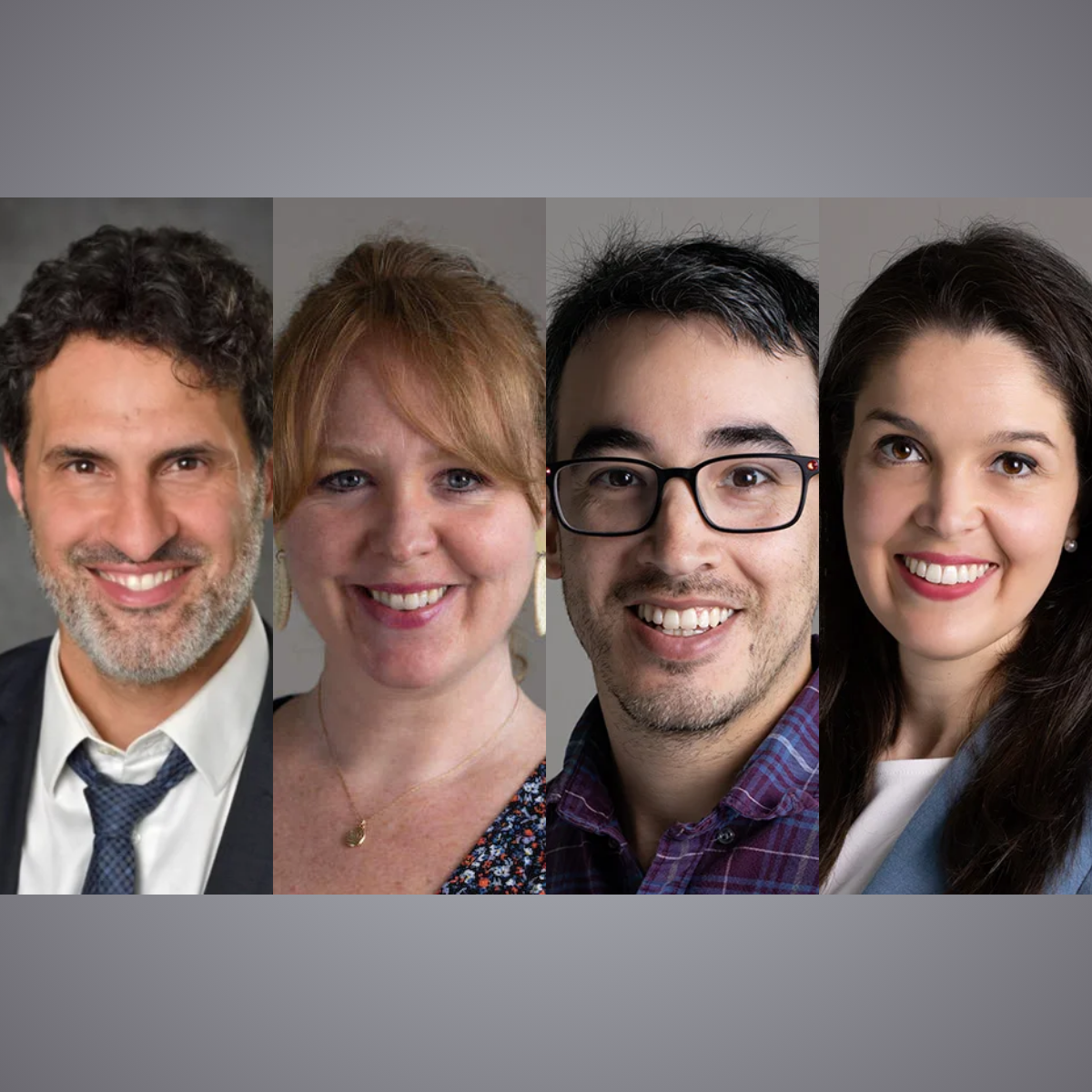
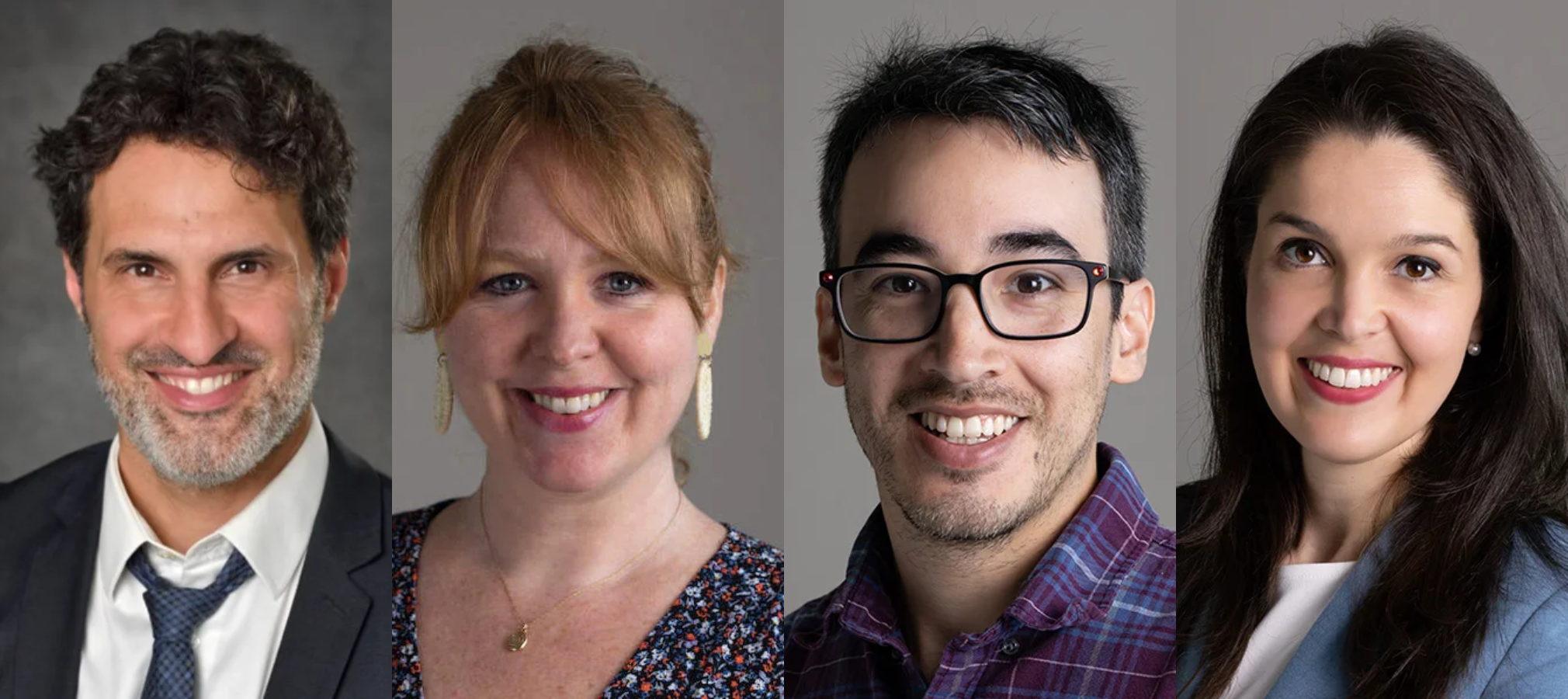
The Modeling Agricultural Risk and Resilience Working Group also includes Associate Professor of Earth, Environmental and Planetary Sciences and Civil and Environmental Engineering Sylvia Dee, Associate Professor of Earth, Environmental and Planetary Sciences Mark Torres, and Assistant Professor of Earth, Environmental and Planetary Sciences Noemi Vergopolan.
The working group’s research explores multiple questions related to climate variability and its impacts. They’ve previously published findings on how climate patterns like the El Niño-Southern Oscillation and the Indian Ocean Dipole elevate the risk of armed conflict.
Climate change, water resources, and armed conflict in Nigeria
One of the research areas for the Modeling Agricultural Risk and Resilience Working Group is in Nigeria, where they collaborated on Viens’ 15-year project shedding insight into farming communities reliant on the Lake Chad Basin and its natural resources.
Employing surveys and a soil sampling campaign, their findings disproved claims that Lake Chad was shrinking due to climate change and also highlighted farmers’ need for better access to irrigation.
Viens’ working group is now aiding local farmers by creating soil productivity indices and determining sustainable amounts of water to draw from Lake Chad’s aquifer.
“That would have a major impact,” Viens said. “We would be able to say, for example, we think we can dig 10,000 boreholes in this region and it’s still going to be okay with how much water is available.”
In addition, the working group is investigating the relationship between climate variability, conflict between pastoralist groups and farmers in northeastern Nigeria, and maritime piracy in the Gulf of Guinea.
“It has to do with social justice, with information coming out of an area where it’s very difficult to get information and we’re actually gathering it ourselves, and it has to do with marginalized populations,” Viens continued.
Farming productivity in the U.S. Midwest
The Modeling Agricultural Risk and Resilience working group is also studying the impacts of farming practices on the sustainability of farming systems in the United States.
One such project focuses on the U.S. Corn Belt, which spans well over 100 million acres of farmland. The United States is the world’s leading producer of corn and second largest producer of soy, with most of these two cash crops planted in the Midwest, often rotated on the same farms.
“We’re trying to understand how to make corn and soy production and other crops in the Midwest easier on the land, more sustainable, with less risk for the farmers,” Viens said.
The project applies Noemi Vergopolan’s land-surface modeling research in Zambia to the Corn Belt. Using remote sensing data, the working group hopes to determine optimal locations to install drainage tiles for farmers and make policy recommendations.
“Our hope is that we can influence U.S. law — the Farm Bill — by showing that we don’t have to install tiles everywhere, we just have to install drainage tiles in places where it’s most beneficial, and that’s a much smaller area. Then we can reclaim lands right now which are poorly productive because they tend to hold excessive moisture or even to get waterlogged,” Viens said.
The Modeling Agricultural Risk and Resilience working group is currently applying for funding to further pursue their projects.
Viens said his working group’s research has a unique potential for impact.
“I know a lot of people working in this area,” Viens said. “Nobody has the patience to do this type of work, so I think that’s something which sets our group apart.”