The Fiber Futures Working Group is developing and applying low-carbon, plant-based building materials
The Fiber Futures Working Group is revolutionizing building materials for Texas and beyond, beginning with the Rice University campus.
The production and application of traditional building materials such as steel, cement, and aluminum generates large amounts of carbon, with 37% of greenhouse gas emissions coming from the construction industry. Led by Rice University’s Jesús Vassallo and Brett Schneider, the Sustainability Institute’s Fiber Futures Working Group is innovating and applying plant-based, regenerative construction materials in building projects.
The working group is using materials like timber and hemp, which produce less greenhouse gas emissions when manufactured and also absorb carbon dioxide. Utilizing Rice University’s Living Lab Program, they are developing prototypes in collaboration with the Office of Sustainability and the university architect.
“We can’t just stop building for 30 years because we have an emissions problem, so we need to figure out better ways to do it,” Vasallo said. “It’s part of a larger effort in the engineering and architecture and materials science field to reform the construction industry for a post-carbon future.”
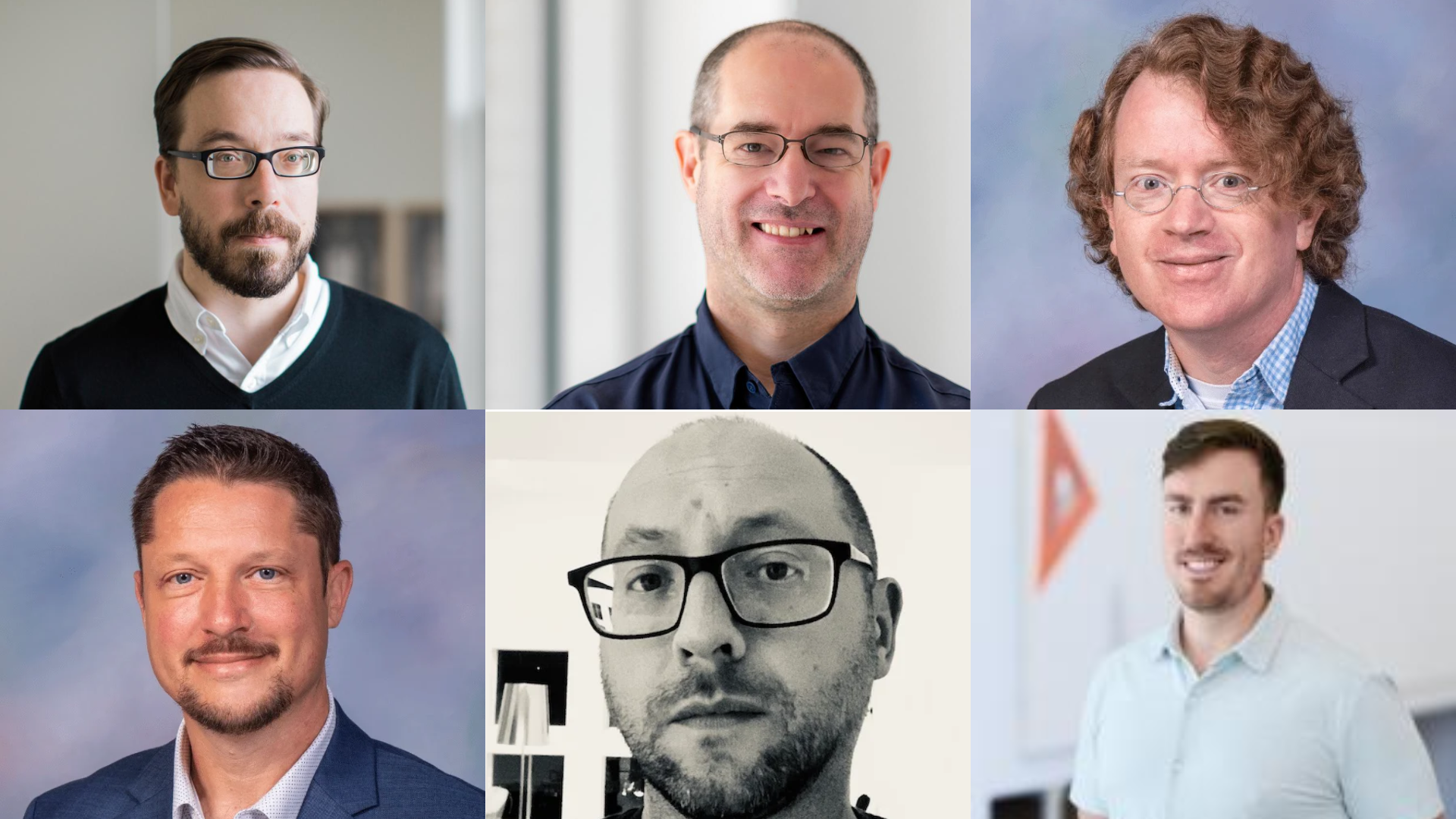
Vassallo is an Associate Professor of Architecture at Rice University. His work encompasses residential and cultural design, affordable housing, low-carbon construction, and adaptive reuse. The Fiber Futures Working Group also includes Associate Professor of Architecture Brett Schneider, Rice University Executive Director for Sustainability Richard Johnson, Rice University Architect George Ristow, Professor of Anthropology Dominic Boyer, and Rice Architecture Director of Fabrication Chris Humphrey.
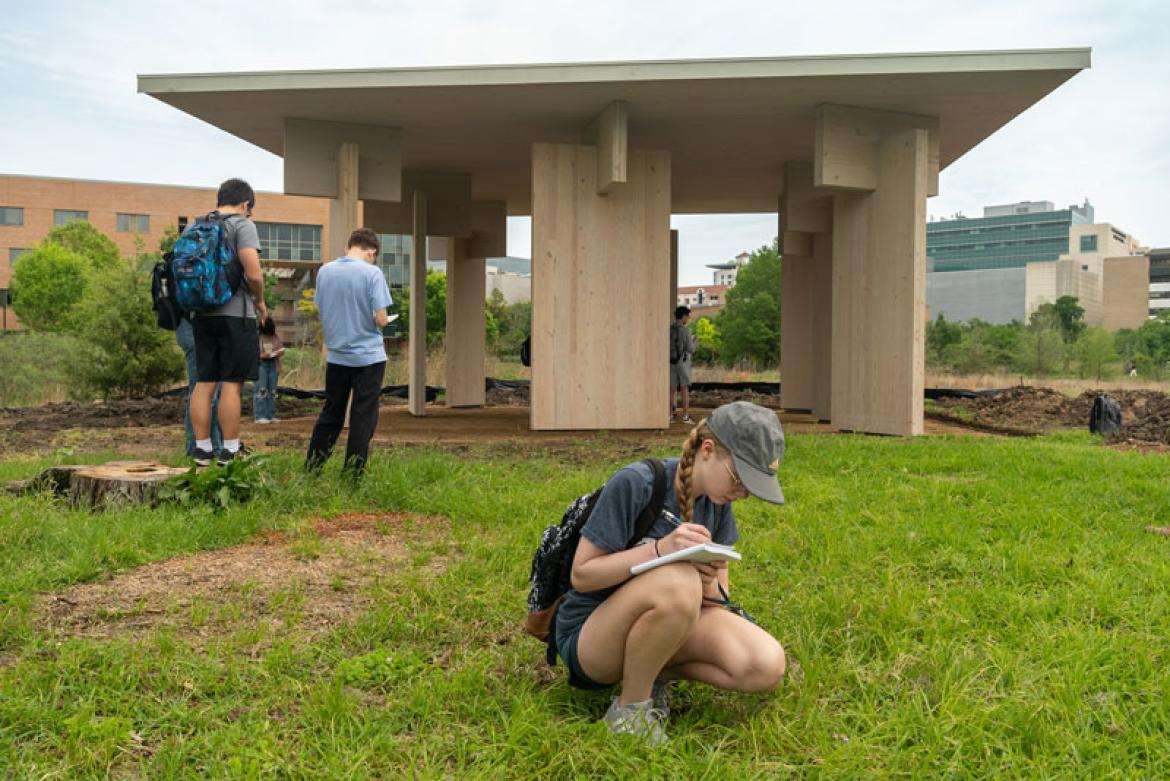
The working group is looking into different materials such as mass timber as a substitute for steel and concrete structures. Members first collaborated unofficially on the Mass Timber Pavilion project in the Harris Gully as well as New Hanszen Residential College construction.
Vassallo’s team is also looking at substitutes like recycled denim, cork, and other hemp-based solutions for thermal insulation instead of traditionally used high-carbon petrochemical materials. In addition, the group is applying low-carbon concrete using lime in place of Portland cement, pozzolan to accelerate hardening, and aggregates like recycled oyster shells instead of gravel.
“We’re open to many different types of materials,” Vasallo said. “We work in the space of application — how can we innovate in the application of these materials as they’re being created?”
This spring, the Fiber Futures Working Group hosted a design studio in the Rice School of Architecture, where they explored the possibility of creating an extension to Wiess Residential College with mass timber and natural fiber insulation.
In addition, they are working on creating a utility yard for the Rice campus grounds crew, which will be used as storage for frequently used materials like mulch and gravel. Vassallo’s team plans to use perforated blocks of low-carbon concrete designed to interlock when stacked, enabling the utility yard to be dismantled and moved if needed.
“We want to eventually develop low-carbon designs for things that [the grounds crew] uses the most, like sidewalks, pavers, retention walls for small gardens — things they’re always having to do anyways and that have a big impact on how permeable the campus is to the rain and how much carbon we put in the atmosphere,” Vassallo said.
In addition, the Fiber Futures Working Group is also looking to partner with cork manufacturing company Corticeira Amorim to create a course where students from all majors can design low-carbon applications for interior spaces.
Vassallo said that transitioning to eco-friendly materials also means sourcing locally, since shipping and transportation from long distances will still generate emissions. To adopt this approach means reforming the construction industry, especially in the U.S. south, Vassallo said.
“Once you acknowledge that there’s a cost to the environment, then you have to rethink the construction industry as being region by region, and we are doing this specifically for our region, Texas and the south of the United States,” Vassallo said./p>
Vassallo said that his working group is helping to introduce these new building technologies to the market, navigating sourcing barriers, availability, cost, and lack of knowledge.
“It’s like better food,” Vasallo said. “Everybody likes their food to be better and more natural and more tasty, and it’s similar to that. Usually that type of food is more expensive, and it’s also better for your body.”
Looking forward, Vassallo said he hopes his work can create sustainable spaces at Rice and see broader impact.